


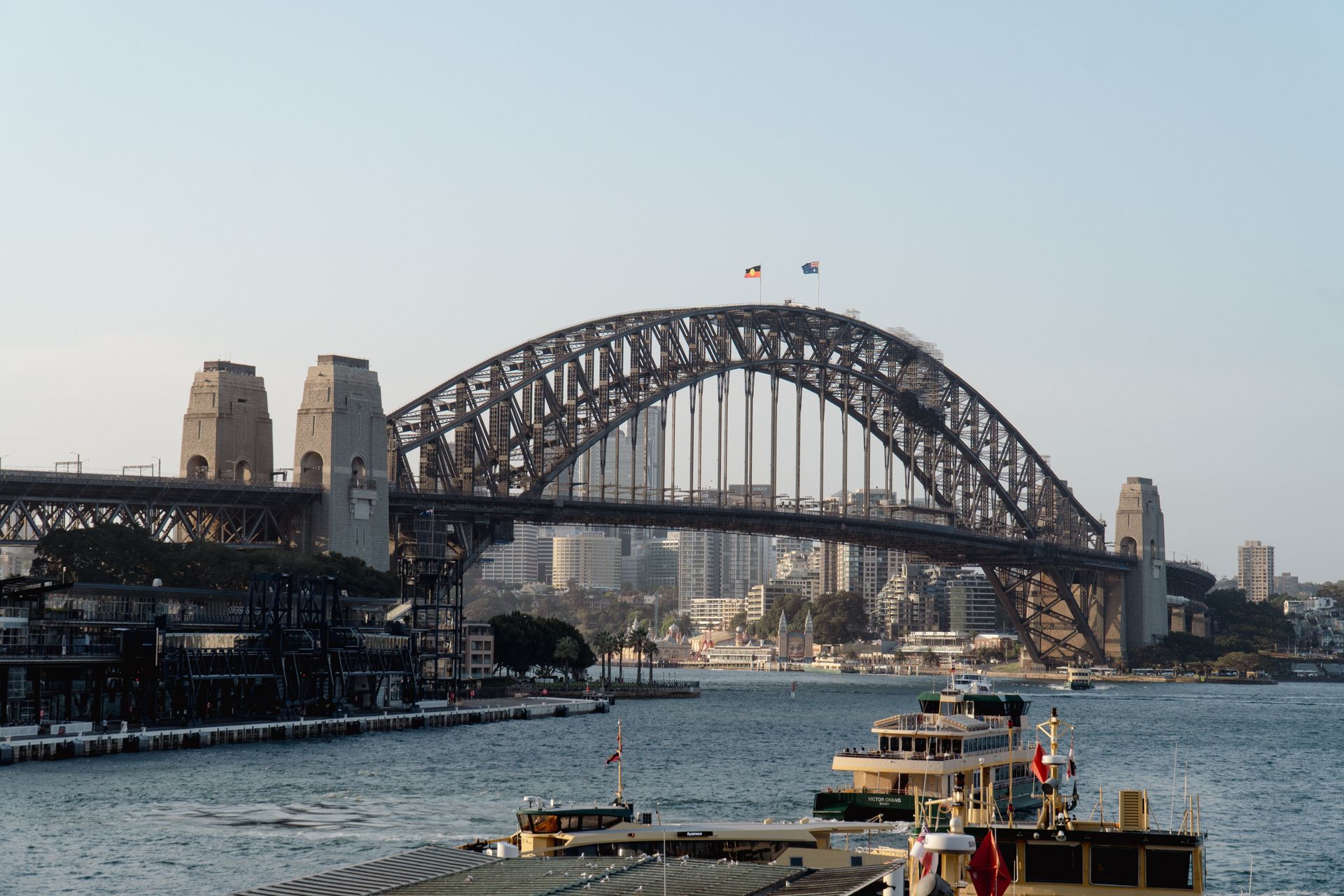
Her first Saturday in Sydney, Priya attended eleven rental inspections. Eleven. She queued outside a two-bedroom unit in Parramatta with forty other people, handed over a folder containing her passport, job offer, bank statements, and references from two countries, and watched the agent collect forty-one folders before lunch. The unit went to someone who offered six months’ rent in advance. Priya had arrived with a salary figure that looked spectacular converted to her home currency, a skilled visa in her passport, and no warning that in Australia’s big cities, the rental market, not the job market, is the real selection process. The salary was real. The costs were realer. And the gap between the two was decided, almost entirely, by the rental inspection queues she’d never been told to expect.
Australia pays some of the world’s highest wages and charges some of the world’s highest living costs to match, the “sunshine tax,” as migrants call it. Whether the exchange works in your favour depends on your city, your visa’s health-cover rules, and whether you understand Australia’s three structural quirks: a rental market in chronic shortage, a health system that treats migrants differently by visa type, and a tax-and-superannuation structure that quietly reshapes every paycheque. This guide compares Sydney, Melbourne, Brisbane, and Perth honestly, then gives you the budget templates to run your own numbers.
What follows: the rent reality by city, groceries and eating out, the Medicare/OSHC/OVHC maze, transport, utilities and internet, sample monthly budgets as structural templates, the regional Australia option, and the final salary-versus-costs verdict. Figures are framed as comparisons and structural ranges, verify current numbers on official sources like abs.gov.au and homeaffairs.gov.au at reading time; the method works regardless.
The Rent Reality by City
Australia’s rental shortage is the defining fact of migrant life. Vacancy rates in the big cities have sat at levels where landlords choose tenants rather than the reverse, and newcomers, no local rental history, no local references, start at the back of every queue. Understand the market mechanics before you budget.
Sydney: the most expensive rental market in the country, by distance in the inner city and eastern suburbs. The inspection-queue scene from the introduction is normal, not exceptional. Practical responses: expand the search radius early (the train lines west and south-west change the arithmetic enormously), prepare the application folder before you fly (100 points of ID, employment letter, bank statements showing savings, written references, have them scanned and ready), and consider short-term furnished accommodation for the first month rather than signing a desperate year-long lease in week one. Rental bidding, offering above the advertised price or months in advance, happens despite varying state rules; know your state’s tenancy law before you play.
Melbourne: slightly below Sydney but with the same structural shortage in desirable inner areas. The tram network reshapes the map: living along a good tram or train line 10–15 km out cuts rent substantially while keeping commute times sane. Melbourne’s weather is a minor budget factor (heating in winter in older stock); its rental application culture mirrors Sydney’s.
Brisbane: historically the affordability relief valve among east-coast capitals, rents below Sydney and Melbourne for comparable space, with strong job growth pulling migrants north. The catch the brochures skip: summer cooling costs (air conditioning running for months is a real electricity line), flood-zone awareness in some suburbs (check flood maps before signing, insurance and risk are real), and a rental market that has tightened as interstate migration surged. Still, for the budget-conscious migrant, Brisbane’s arithmetic frequently beats the southern capitals.
Perth: the western outlier, often the most affordable of the four for equivalent housing, with mining-adjacent salaries in some sectors running above eastern levels. The trade-offs: distance (flights east are expensive and long, which matters if your community is in Sydney or Melbourne), a smaller migrant-services ecosystem, and a rental market that swings with the resources cycle. FIFO (fly-in-fly-out) workers live a special case of this budget, high incomes, employer-provided accommodation during swings, and home-base costs in Perth.
The bond and the ledger. Australian rentals require a bond (typically four weeks’ rent, held by the state bond authority, not the landlord) plus two weeks’ rent in advance at signing. Budget six weeks’ rent as the move-in cash requirement. Keep every receipt and photograph the property’s condition at entry, bond disputes at exit are common, and the photo record is what wins them.
Lease reality. Standard leases run 6–12 months; breaking a lease has real costs (reletting fees, rent until a replacement tenant is found). The desperate week-one lease is the most expensive signature of your first year, the short-term landing pad strategy from the introduction exists precisely to prevent it.
Groceries and Eating Out
The duopoly and its challengers. Coles and Woolworths dominate mainstream grocery; Aldi is the discount weapon that cuts bills substantially for shoppers willing to adapt brands; Costco serves families with storage space; and independent Asian, Indian, Middle Eastern, and continental grocers undercut the chains dramatically on produce, spices, rice, lentils, and meat. The migrant who shops the ethnic-grocer circuit, as in Canada, pays far less for better ingredients. Markets (Queen Victoria in Melbourne, Paddy’s in Sydney, weekend farmers’ markets everywhere) reward the Saturday-morning shopper with produce prices the supermarkets can’t touch.
The eating-out premium. Australia’s restaurant and café culture is excellent and expensive, minimum-wage-driven labour costs flow straight into menu prices, and the flat-white habit is a genuine budget line (daily café coffee adds up to a noticeable monthly figure; the home espresso setup pays for itself in months). Delivery apps stack fees onto already-high menu prices. The budget rule: cook as the default, eat out as the event, same as everywhere, but the gap between the two is wider in Australia than in most countries.
Alcohol and the tax wedge. Alcohol carries heavy excise, it’s a real line item for drinkers, not an afterthought. Budget it honestly or cut it; the tax doesn’t negotiate.
Health Cover: Medicare vs OSHC vs OVHC
This is the section that confuses every migrant, because Australia runs three parallel systems and your visa decides which one you’re in.
Medicare, the public system, covers permanent residents and citizens (and some temporary visa holders from reciprocal countries, with limits). If your pathway leads to permanent residence, Medicare eventually covers you; until then, you’re in one of the other two systems. Our skilled worker visa guide covers which visas lead where.
OSHC (Overseas Student Health Cover) is mandatory for student visa holders, arranged before the visa is granted, paid upfront, covering the visa duration. If you’re arriving as a student first, OSHC is a fixed pre-arrival cost; compare providers on coverage details, not just price, because waiting periods for pre-existing conditions and extras coverage vary. See our study cost guide for the student budget picture.
OVHC (Overseas Visitors Health Cover) is the equivalent for temporary work visa holders, not always legally mandatory, but functionally essential. Without it, a hospital visit is billed at full private rates, which are calibrated to a wealthy country’s cost base. Employer-sponsored migrants should check whether the employer provides cover (some do, some don’t, it’s a negotiable part of the package); if not, arrange OVHC before flying.
The gap even Medicare doesn’t close. Medicare covers medically necessary services, not everything: dental (largely excluded, expensive out of pocket), optical, physiotherapy beyond limited plans, and ambulance cover (not included in some states, a separate, cheap subscription worth buying on arrival). Migrants on the path to PR should budget these lines even after Medicare kicks in.
How to verify: the Department of Home Affairs publishes current health-cover requirements per visa subclass, check your specific subclass page, because the requirement attaches to the visa, not to you.
Transport Costs
The car question, city by city. Sydney and Melbourne have public transport networks that support car-free life in inner and middle suburbs, budget the monthly/weekly fare cap (both cities use smartcard systems with daily and weekly caps that reward regular commuters). Brisbane’s network is thinner; Perth’s is car-oriented outside the train corridors. In car-dependent areas, the vehicle is a necessity, and the budget must carry: purchase or finance, registration (rego, annual, state-based), compulsory third-party insurance plus comprehensive cover (get quotes as a new migrant, premiums reflect no local history), fuel, servicing, and tires.
The licence conversion. Most states let you convert an overseas licence (sometimes with testing, depending on origin country and age), do it promptly, because driving on a foreign licence has time limits and insurance implications. Check your state’s transport authority for the recognised-country list.
Tolls. Sydney in particular is a toll-road city, regular toll-road commuting adds a meaningful weekly line that newcomers never anticipate. Map your likely commute against the toll network before choosing the suburb; the cheaper-rent suburb at the end of a toll road is sometimes the more expensive choice.
Utilities and Internet
Electricity: the summer line. Air conditioning through long hot summers makes electricity a major bill in Queensland and Western Australia particularly, and Australian retail electricity prices are high by global standards. The fixes: compare retailers at move-in (the default retailer is rarely cheapest; switching is easy and the savings are real), learn off-peak tariffs if your retailer offers them, and treat the air conditioner’s thermostat as a budget instrument, each degree of cooling has a price.
Water is typically billed quarterly and is modest for most households; some rentals include it in strata or rent, check the lease.
Internet and mobile. The NBN (national broadband network) is the fixed-line default, speeds and prices vary by technology type at your address (fibre to the premises versus older last-mile tech is a real difference; check the address before signing a lease if you work from home). Mobile plans are competitive and cheap relative to everything else in Australia, prepaid for arrival, then a SIM-only plan. International calling inclusions matter for migrants; compare them.
The quarterly-bill rhythm. Electricity, water, and gas bills arrive quarterly, newcomers budgeting monthly must accrue for them or face quarterly ambushes. Divide each quarterly bill by three and hold it monthly. Simple, and it prevents the most common utility surprise.
Sample Monthly Budgets
Structural templates, plug in current figures for your city and visa at reading time.
Template A, Single skilled migrant, Sydney, flat-share, transit-based: Net pay minus rent (room in a shared flat, the rational Sydney entry; a solo inner-city flat on a single mid-level income breaks the one-third rule), groceries (Aldi plus ethnic grocers, home cooking), transit fares (weekly cap), OVHC or Medicare-levy treatment per visa, phone/internet share, modest personal spending, fixed savings/remittance line. Margin: thin but workable with the flat-share decision. Without it, the template doesn’t close, that’s the market speaking.
Template B, Couple, Brisbane, one car, rented unit: Net household pay minus rent (within the one-third rule, Brisbane’s proposition), full car costs (rego, insurance, fuel, tolls if applicable), groceries for two, utilities (with summer cooling accrual), health cover per visa status, phones, and a genuine savings surplus. This is the template where the Australian exchange rate, high wages for high costs, lands in the migrant’s favour.
Template C, Family, Perth, one car, rented house: Net household pay minus rent (a house with a yard at a price that would be fantasy in Sydney), car costs, groceries for four, utilities, health cover, schooling incidentals (public school is free; uniforms, devices, and activities are not), and savings. The regional-stability variant of this template, same structure in a regional centre, is where policy incentives can add visa advantages on top of the cost ones.
Superannuation: the invisible line. Employers pay superannuation (a percentage of salary, set by legislation) into your retirement fund on top of your wage, it’s not deducted from your pay, but it is part of your total compensation and it affects salary negotiations. When comparing an Australian offer to a home-country one, add super to the Australian side of the ledger; when comparing two Australian offers, check whether quoted figures include or exclude it. Migrants who leave Australia permanently can generally claim departing-Australia super payments, know the process before you need it.
Regional Australia: Cheaper and Visa-Friendly
The cost case is straightforward: rents often a fraction of capital-city levels, shorter commutes, and in many towns a quality of life (space, pace, community) that the capitals can’t offer. The budget templates above improve on every line except possibly groceries (smaller towns, fewer discount options) and flights (distance from international airports).
The visa case is the real lever: regional employer sponsorship, state-nominated regional streams, and post-study regional incentives have, at various times, offered faster or more certain pathways than the capital-city equivalents. Policy details shift, verify current settings on homeaffairs.gov.au, but the structural pattern holds: Australia uses immigration incentives to populate the regions, and migrants who go regional often get both cheaper living and a smoother visa path.
The honest cautions: smaller job markets (secure employment before moving, not after), thinner migrant-community infrastructure in some towns, limited specialist healthcare (factor travel for anything complex), and schooling options to research per town. Visit before committing if possible; the regional move rewards the prepared and punishes the impulsive.
Salary vs Costs: Does It Balance
Where it balances: skilled professionals in shortage occupations, in Brisbane/Perth/regional areas, on full-time salaries, the high-wage side of the Australian bargain does its work, costs are manageable, and the savings margin is real. Trades, healthcare, engineering, and IT migrants most commonly land in this zone.
Where it’s tight: single-income households in Sydney or Melbourne on mid-level salaries, students working part-time hours (the student budget is a different, harder document, see our study cost guide), and anyone who imports a capital-city lifestyle (solo inner-city flat, daily café lunches, car) on a non-capital salary.
The decision method: build Template A/B/C for your actual city, visa, and household before accepting the offer. Compare net pay (after tax, use the ATO’s official calculators) against the template’s total. If the margin after a fixed savings line is positive and stable, the move works. If it only works by assuming the cheapest rent you’ll never find and the salary rise you’ll definitely get, it doesn’t. Australia rewards migrants who do this arithmetic; it merely hosts the ones who don’t.
The levies newcomers forget. Two tax-system lines surprise migrants at return time. First, the Medicare levy, a percentage of taxable income paid by residents entitled to Medicare, which funds the public system; most temporary visa holders aren’t liable for it, but the moment you transition to permanent residence it appears on your assessment. Second, the Medicare levy surcharge, an additional levy on higher-income earners without qualifying private hospital cover, designed to push them into the private system. If your income crosses the surcharge threshold and you hold no private hospital policy, the surcharge can exceed the cost of a basic hospital policy, making private cover the cheaper option by arithmetic, not by preference. Neither levy is large enough to change a city decision, but both belong in the year-one tax model, and both are documented plainly on the ATO’s site. The migrants who get ambushed by them are the ones who treated the tax return as someone else’s problem.
Frequently Asked Questions
Is Australia expensive for migrants?
Wages and costs are both high, the balance depends on city and occupation. Sydney and Melbourne are among the world’s priciest rental markets; Brisbane, Perth, and regional areas offer markedly better wage-to-cost ratios. Budget city-specifically, never from national averages.
Do I need private health insurance as a migrant in Australia?
It depends on your visa: students must hold OSHC, temporary workers should hold OVHC (a hospital bill without cover is financially devastating), and permanent residents transition to Medicare. Check your visa subclass requirements on the Department of Home Affairs site.
How do I rent without Australian rental history?
Prepare a complete application folder before arrival (ID, employment letter, bank statements, overseas references), consider a short-term furnished rental while you search on the ground, expand the search radius along transport lines, and photograph everything at entry to protect your bond.
What is superannuation and does it affect my budget?
Superannuation is employer-paid retirement contributions (a legislated percentage on top of your wage). It’s part of your total compensation, include it when comparing offers, and departing migrants can generally claim it when leaving permanently.
Is regional Australia really cheaper and better for visas?
Usually cheaper on housing, often with smoother regional visa pathways, but verify current policy settings, secure the job first, and research healthcare and schooling per town. The regional advantage is real but conditional on preparation.
Conclusion
Australia’s migrant budget is a tale of two forces: wages that rank among the world’s highest, and costs, led by a rental market in chronic shortage, engineered to absorb them. Priya from the introduction found her footing eventually: a flat-share in the inner west, the Aldi-and-market grocery circuit, a transit-first year, and a budget built on the templates above. Nothing about her salary changed; everything about her cost structure did. The migrants who thrive here aren’t the highest paid, they’re the ones who chose the city with a spreadsheet, respected the rental market’s power, insured the health gap their visa created, and treated savings as a fixed line. Sydney’s inspection queues will still be there on Saturday. Go prepared, and you’ll be the applicant with the complete folder, in housing, and in finances.