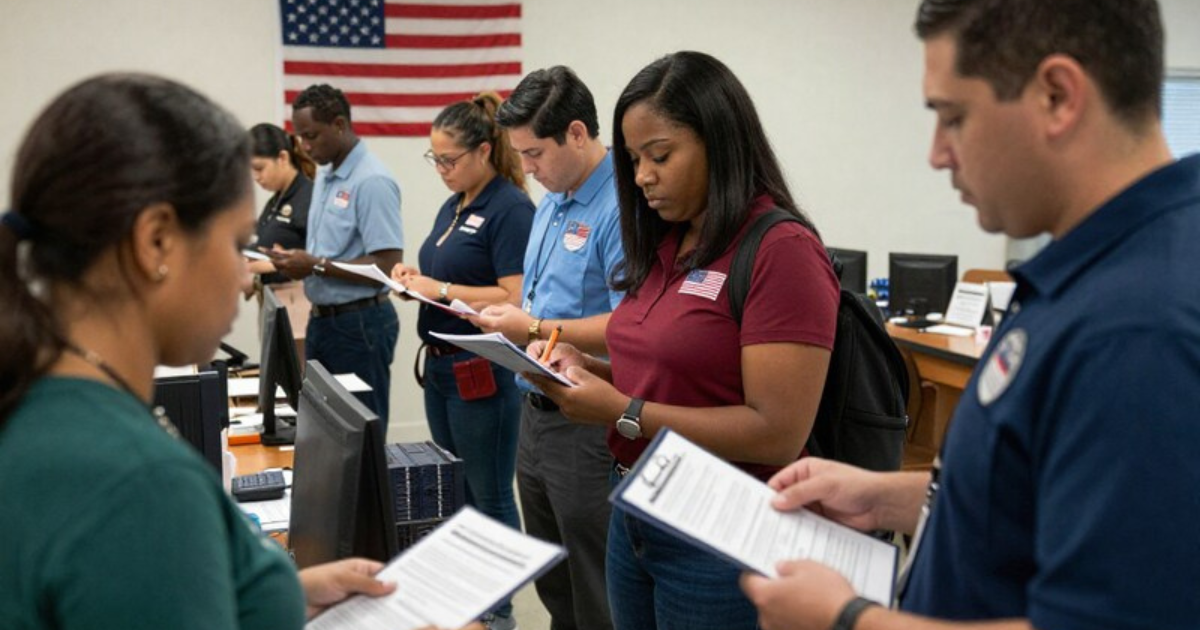
Work In Germany While Studying A Complete Guide international students can obtain financial help and job experience by working while studying in Germany. Here is a list of the most important things to think about. International students are permitted to work in Germany while they are enrolled in classes, although the regulations vary depending on their country. While EU/EEA students are subject to fewer limitations, non-EU/EEA students are permitted up to 20 hours per week throughout the semester (140 full days or 280 half days annually). These limitations do not apply to internships that are required for your degree. International students from outside the European Union are permitted to work while pursuing their degrees in Germany thanks to clear, student-friendly legislation. Germany acknowledges that part-time work improves both your financial security and your professional growth, in contrast to several nations that severely restrict student employment or make it difficult to get a work permit.
Work Hours
- Non-EU/EEA pupils
- Throughout the semester, up to 20 hours a week
- The annual maximum is 280 half days or 140 full days
- During semester breaks, full-time employment is permitted
- A permission from the Foreigners’ Office and the Federal Employment Agency is needed to exceed limitations
Internships
- Internships that are required are exempt from work-hour restrictions
- The 20-hour weekly cap is applied to voluntary internships
Types of Jobs Available
There are many different types of employment available to international students in Germany, including academic positions at universities, flexible Minijobs in retail or hospitality, and specialised internships in business, engineering, and IT. Your location, job objectives, and proficiency in German will determine which prospects are suitable for you. Principal Types of Student Employment in Germany
Jobs at Universities
- Research Assistant (HiWi): Helping instructors with lab work, data analysis, or projects.
- Book management, student assistance, and resource organisation are the responsibilities of library staff.
- Teaching other students in disciplines you are particularly good at is known as tutoring.
- Benefits include academic relevance, flexible hours, and frequent English-friendliness.
- €12–15 per hour is the average salary.
Jobs in the Service Sector
- Cafés, restaurants, and bars employ waiters and baristas.
- Supermarkets and retail establishments employ cashiers and sales assistants.
- Delivery Driver/Rider: Apps for food delivery (like Lieferando).
- Elder care and babysitting are prevalent in cities.
- Benefits include flexible shifts and easy access.
- €10–12 per hour is the average salary.
Minijobs Tax-free jobs that pay up to €520 per month.
- Examples include event personnel, call centre employees, and shop assistants.
- Benefits include straightforward contracts and no tax burden.
- Ideal for: Students who need additional money but don’t have a lot of time for a job.
Mandatory Internships:
- These are required by your degree and do not count against your allotted work hours.
- The 20-hour weekly cap is applied to voluntary internships.
- domains: marketing, IT, engineering, finance, and healthcare.
- Benefits include networking, career advancement, and even full-time offers.
- Average Monthly Salary: €800–1,200 (depending on industry).
Specialised and Freelance Jobs
- English, maths, and coding instruction are examples of private tutoring.
- Only EU/EEA students are permitted to do freelance IT and design work; non-EU students are often prohibited.
- Content writing and translation: For bilingual pupils.
- Note: Since self-employment is typically prohibited, non-EU students should exercise caution.
Is German Required to Find a Job in Germany
Although proficiency in German is not necessary to obtain employment in Germany, it significantly influences the variety of options. English-speaking jobs are available to international professionals and students, particularly at academic institutions, research centres, multinational companies, and in the technology industry, where English is frequently used as a working language. However, as everyday connection with clients and coworkers is crucial, the majority of part-time positions in retail, hospitality, customer service, and small enterprises require at least rudimentary German competence. Your prospects are restricted to specialised positions if you don’t speak German, but even a moderate level of proficiency opens up a far larger employment market, higher compensation, and easier assimilation into German culture. To put it briefly, German is essential for succeeding both socially and professionally in Germany, but English can help you get by.
How Much Can International Students Earn in Germany
In Germany, part-time employment for international students often pays between €10 and €15 per hour, with monthly wages ranging from €450 to €1,200 depending on location, job type, and number of hours worked. Higher earnings may be subject to taxes and social security obligations, although minijobs up to €520 per month are tax-free.
Typical Hourly Wages for International Students
- €10 to €15 per hour is the average range.
- Research assistant and tutoring positions at universities pay between €12 and €15 per hour.
- Waiter, cashier, and delivery occupations pay between €10 and €12 per hour.
- Engineering, IT, and finance internships often pay more than €800–1,200 per month.
Monthly Earnings
- Minijobs: Tax-free up to €520 per month.
- Regular part-time employment pays between €600 and €1,200 per month, depending on the number of hours worked and the amount of pay.
- Internships pay between €800 and €1,200 a month, often more in big cities like Frankfurt or Munich.
Can You Be An Exception To The Rule
In Germany, students are required to work no more than 120 full days or 240 half days annually. But there are certain unique situations, just like everything else. For example, academic postings are exempt from this rule. You are exempt from the regulations that apply to occupations for international students in general when you work as a research assistant or student assistant at your university. You have the freedom to work more than 20 hours a week while you are employed at the institution, provided that your employment is somehow connected to your coursework. Additionally, your 20-hour restriction does not apply if you are completing an internship as part of your course. This apprenticeship is not subject to your work hour limitations because it is regarded as a component of your education. You must continue to work 20-hour workweeks at other jobs in order to keep your student status. If you work more than these hours, you may need to get a work visa from the immigration authorities because your education is no longer your main source of income in Germany.
Final Thoughts
In conclusion, foreign students in Germany appreciate the chance to work while they study, but success relies on knowing the regulations and making wise decisions. Even though there are English-speaking employment opportunities, particularly in research, universities, and international corporations, learning German significantly increases access to internships, higher-paying jobs, and service-sector positions. Depending on the sort of work and hours worked, earnings might range from €450 to €1,200 per month. Minijobs offer tax-free money, while internships give invaluable professional experience. It’s crucial to strike a balance between employment and school since working more hours than allowed or ignoring your education might cause problems with your visa and grades. In the end, students who combine part-time employment with consistent improvement in their German language proficiency can sustain themselves financially, completely integrate into German culture, and lay a better basis for their future professions.