Rhodes Scholarship 2026: Eligibility, Selection Process and Tips
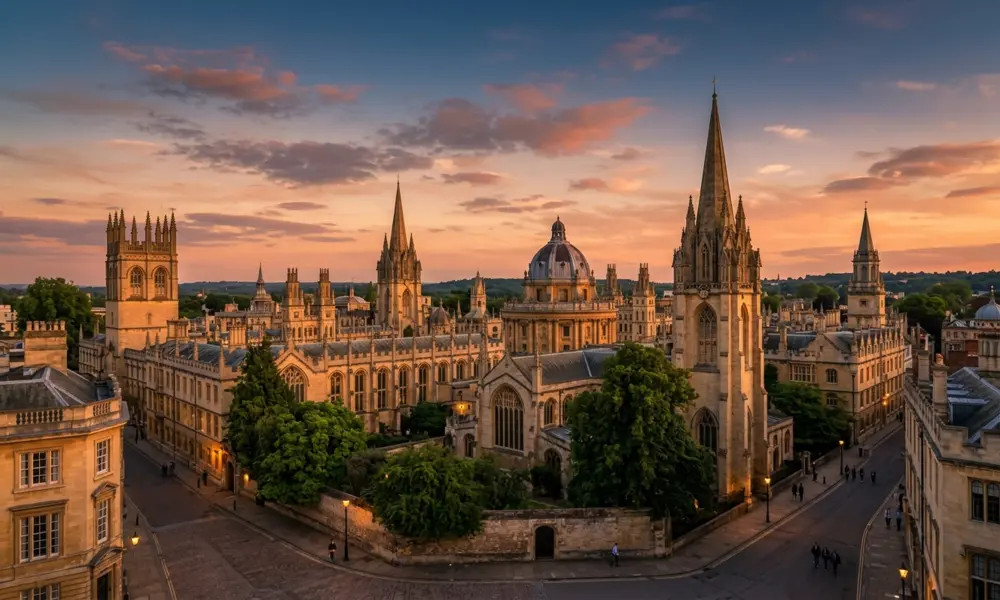
The Rhodes Scholarship started in 1903. It is the oldest big international scholarship for graduate students in the world. Over 100 years later, it is still one of the most respected scholarships out there.
The Rhodes Scholarship 2026 pays for full graduate study at the University of Oxford. Only a small group of students win it each year. Winners are not just picked for good grades. They are also picked for:
- Their character
- Their leadership skills
- Their history of helping others
This is very important to know before you apply:
- Many scholarships just want the best grades. Rhodes is different
- The judges are looking for what they call “fighters for the world’s fight”
- This phrase comes from Cecil Rhodes, the man who started the program
- It still shapes how students are judged today
- If you understand this, you can build a stronger application
How the Rhodes Scholarship Works
Rhodes Scholarships are not given out from one big pool of people around the world. Instead, students apply through groups based on their country. These groups are called “constituencies.”
- If you’re from the US or Canada, your college usually needs to support your application first. This often means working with your school’s scholarship office
- If you’re from another country, you’ll follow that country’s own steps
- There’s also a special track called the Global Rhodes Scholarship. It’s for talented students from countries that don’t have their own group
Your first job is simple:
- Find out which group you belong to
- Learn that group’s rules and deadlines
- Know that general advice about “the Rhodes application” only helps so much, since every country has its own rules
Who Can Apply
- You’re usually between 18 and 24 years old by October 1 of the year you apply. Some groups allow up to age 27 if you finished your degree in the past two years
- You’ve finished, or almost finished, your college degree by the time the scholarship starts
- You’re a citizen or permanent resident of an eligible country, or you qualify for the Global Rhodes Scholarship
- You have strong grades. Many groups want a GPA well above average, but the exact number changes by group
- You’ve shown leadership, good character, and a history of helping others. This shows up in your letters, essays, and activities, not just your grades
What the Scholarship Pays For
- All university and college fees at Oxford
- Money each year to help pay for living costs
- A flight to the UK and back home
- Two to three years of funding, sometimes more depending on your program
- Lifetime membership in the Rhodes Scholar community, with access to special programs
The Four Things They Look For
Judges pick Rhodes Scholars based on four main things. These show up in almost every group’s process:
- Smarts. Strong grades and thinking skills
- Energy. The drive to use your talents fully
- Character. Honesty, courage, and a sense of duty
- Caring and leadership. Caring about others, standing up for people who need help, and natural leadership instincts
In simple words:
- The panel wants to see real intelligence
- They also want proof that you’ve already used your skills to help others
This proof could look like:
- A research project that made a real difference
- Ongoing volunteer work
- Leadership that led to a real result, not just a title on your resume
When to Apply
- Find out which group you belong to. Check if your school needs to support your application first. Many schools have their own deadlines months before the national one
- Fill out an early form saying you plan to apply, often in early summer
- Complete your full application. This includes transcripts, a personal essay, and letters of recommendation, usually due by mid to late summer
- If you’re picked as a finalist, you’ll get an interview, usually near the end of the year
- Results are usually announced late in the year. The scholarship starts at Oxford the next school year
Building a Strong Application
- Judges read hundreds of great transcripts every year
- So great grades alone won’t make you stand out
- What matters most is your personal essay and your letters of recommendation
Your essay.
- An essay that just lists your achievements usually doesn’t impress anyone
- An essay that honestly reflects on what you learned from leadership, failure, or helping others works much better
Your letters.
- Letters of recommendation matter just as much as your essay
- A detailed letter from someone who has really worked with you is much stronger than a famous name giving a vague, generic letter
The Interview
The interview is known as the hardest part to prepare for. That’s on purpose.
- The panel might ask you to defend an opinion on a topic you don’t know well
- They might ask follow up questions to see how deep your interest really goes
- They might ask about current events outside your field of study
They’re not trying to trick you:
- They want to see how you think under pressure
- They also want to know if your values hold up in a real conversation, not just in a polished essay
Past finalists say practicing mock interviews with people who don’t know your application helps a lot. That’s because the real judges are also seeing your file for the first time.
Why Strong Candidates Don’t Move Forward
- Their essay reads like a resume, not honest reflection
- Their letters of recommendation are vague and don’t give real examples
- They missed their college’s own deadline, which is often earlier than the national one
- They applied through the wrong group for their citizenship
- They didn’t take the interview seriously and treated it like a formality
Know Your Specific Group
The most important decision in your whole application isn’t your essay. It’s figuring out exactly which group you belong to before you write anything.
US and Canada.
- These are the biggest groups
- They require your college to formally support your application
- This usually means working with your school’s scholarship office well before the national deadline
Other countries.
- Many run their own selection process with their own rules
- Some even require things like national service or specific citizenship paperwork
No group of your own?
- The Global Rhodes Scholarship is for students from countries without their own group
- It has its own timeline and process, run directly by the Rhodes organization instead of a university
If you’re not sure which group you belong to:
- Contact the Rhodes organization directly
- Don’t guess based on general information online
- Applying through the wrong group can disqualify you, even if you’re a strong candidate
How They Judge Your Academic Fit
- Rhodes funds almost any subject offered at Oxford
- So you don’t need one narrow specialty picked out already, the way some other scholarships require
What they do want is a clear, well-researched connection between your background and the program you want to study:
- Naming specific professors, research groups, or classes shows real preparation
- A vague statement like “I want to study at Oxford because it’s famous” won’t stand out
You don’t always need your exact course fully decided when you apply. But having a clear direction helps your application a lot. Students who’ve already reached out to a possible professor, or who know specific classes in their program, look like more serious candidates.
Planning Your Money Beyond the Stipend
The scholarship covers your university fees and gives you money to live on. But you should still plan for costs outside of that, including:
- Costs to get settled when you first arrive
- Materials specific to your field of study
- Any costs for bringing family members, since the stipend is calculated for one person, not a family
- Oxford is made up of separate colleges, and costs can differ a little by college
- This is especially true for optional dinners and social events
- These aren’t required, but many students choose to take part in them as part of college life
If you’re doing a longer doctoral program:
- Ask early exactly how many years of funding your program includes
- Also ask what happens if your program runs longer than planned
- Don’t assume your funding will automatically extend if there are delays
Life as a Rhodes Scholar
Most Rhodes Scholars work toward a full graduate degree, often a master’s or doctorate. At the same time, they join Rhodes House programs, which include:
- Leadership training
- Seminars with students from other fields
- A close knit community of scholars living and studying together
- Scholars come from dozens of countries and backgrounds each year
- Many say the friendships they build are just as meaningful as the degree itself
- These connections often last well beyond graduation
Because Oxford is made up of separate colleges, each scholar is also part of one specific college. This shapes daily academic and social life, along with the wider Rhodes community.
Life After the Scholarship
- Rhodes graduates have gone on to hold major roles in government, business, education, and public service around the world
- The Rhodes alumni network is seen as one of the most powerful in the world
- It keeps opening doors long after graduation
Unlike some scholarships that require you to return to a specific home country, Rhodes doesn’t require this. This gives graduates more freedom to choose their next step.
Tips to Strengthen Your Application
- Confirm your group’s process and deadlines at least six months before the national deadline
- Choose letter writers who know your work well, not just people with impressive titles
- Write your essay around honest reflection and real impact, not a list of achievements in order
- Practice unscripted mock interviews with people outside your field, since real interviews often go beyond your specialty
- Research the specific program at Oxford that fits your goals, instead of treating the school choice as just a formality
Common Questions
Do I need a specific college major to apply? No. Rhodes Scholars come from every field of study. Judges care more about your character, leadership, and strength in your own field than which major you chose.
Is this scholarship only for students right out of college? No. Most groups set an age limit around 24. Some allow candidates up to 27 if they finished their first degree in the past two years. So it isn’t just for current final-year students.
How many years of funding does it give? Usually two to three years, matching the length of your program. There’s some flexibility for certain degree types.
Do I always need my school to nominate me? For most groups, yes. Support from your school is usually a required first step. The exact process depends on your country, and in the US, it can also depend on your specific school.
The Bottom Line: Rhodes Scholarship 2026
- The Rhodes Scholarship 2026 rewards students who can show real proof that they’ve already used their talents to help something bigger than themselves
- This idea shows up at every step, from the written application to the interview
- For students who fit this description, it remains one of the most respected and life changing fully funded scholarships in the world
For deeper context on comparable graduate funding routes, see our detailed guide to the Fulbright Scholarship on ezvizjobz.com.
For official, up-to-date requirements, always cross-check details directly with the Rhodes Trust.
Explore more guides on ezvizjobz.com to plan your next step abroad with confidence.