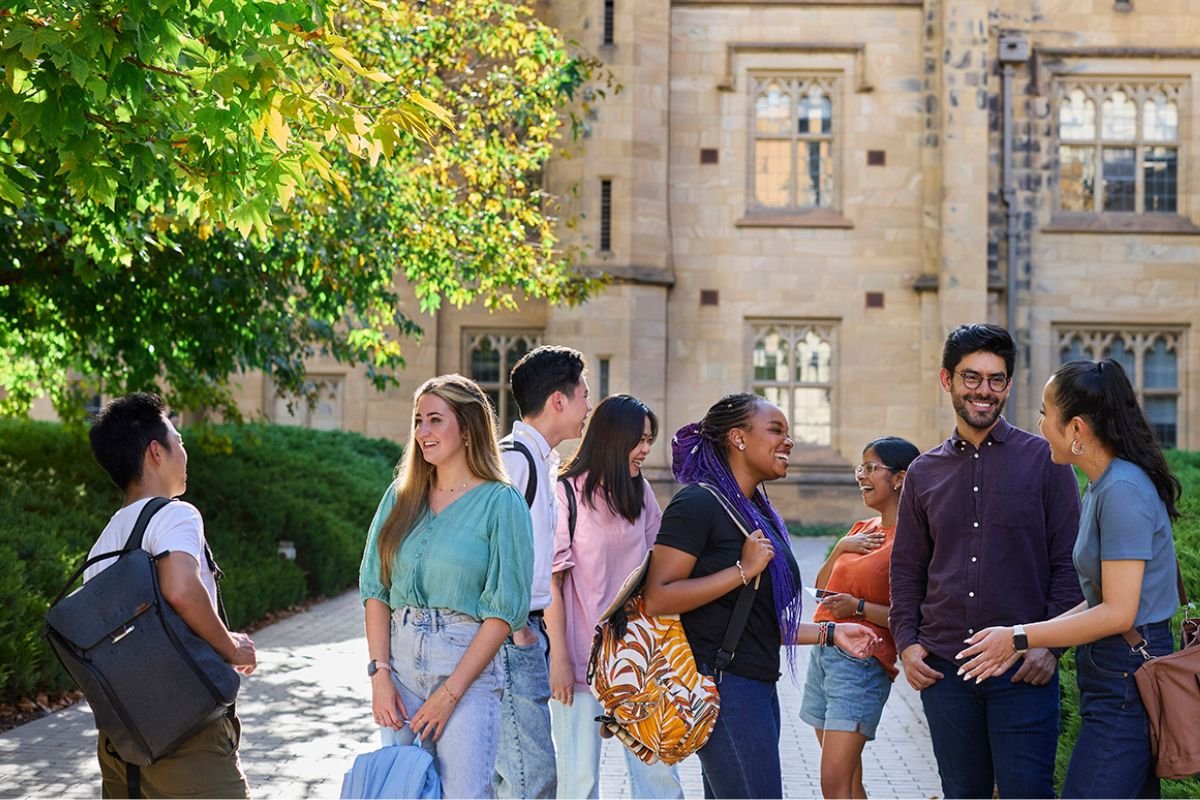
Work Rights For International Students In Australia there is more to studying in Australia than simply studying; many overseas students have part time jobs to help cover living expenses, expand their professional and social networks, and experience the Australian way of life. However, it’s crucial to comprehend the current visa regulations, workplace rights, and realities before applying for a job as a barista, store employee, or instructor. While complying with work hour restrictions related to their visas, international students in Australia enjoy the same rights as Australian workers in the workplace, including fair compensation, safe working conditions, and protection against discrimination. You have the same rights as any Australian worker as an overseas student, although there may be limitations on the number of hours you may work. These restrictions, sometimes known as caps are intended to help you have enough time each week to complete your selected course of study.
Overview Of Work Rights
The Subclass 500 Student Visa grants some job privileges to foreign students in Australia. During study times, they can work up to 48 hours every two weeks, and during official breaks, they can work as many hours as they choose. The course’s work-integrated learning does not count toward the cap. These regulations are closely monitored, and violations may result in the revocation of a visa. To help with living expenses, many students have part-time jobs in retail, hospitality, or teaching.
Important Points
- 48 hours every two weeks while studying.
- During breaks, the hours are unlimited.
- Study-related internships are excluded.
- Visas may be revoked for violations.
Retail, teaching, and hospitality are common occupations. International students may and do work in Australia. Employment opportunities abound. Because they offer flexible schedules that might work with class schedules, jobs in establishments like cafés, restaurants, and retail stores are popular.
Types of work
In Australia, there are generally three categories of employment:
- Full-time
- part-time
- Casual
Which of these working arrangements applies to your job must be specified in your employment contract. For overseas students, part-time and casual jobs are the most popular choice since they provide flexible work schedules that can adapt to shifts in course schedules or study loads.
Casual work
An employment contract outlining their hourly rate has been signed by a casual worker. Their hours, however, vary every week. Because casual workers are not entitled to paid time off, their hourly wages are greater. For instance, as a casual employee, you will not be compensated for the hours you were expected to work if you call in sick.
Part-time employment
A part-time employee can take paid leave, such as a certain number of paid sick days or vacations, and often has specified hours and days each week. Typically, part-timers work two or three days a week.
Full-time employment
A full-time employee puts in a certain number of hours each week, often 35 to 38. A full-time employee is entitled to a certain amount of paid sick and holiday leave; whether they take a day off or a holiday due to illness, they will still be compensated.
Getting paid and income tax
Unless you have expressly offered to volunteer, you are entitled to compensation for your labor. Australian minimum wage rules must be followed while making this payment. Australia’s minimum wage is revised annually. The most recent minimum wage may be found here. You must register for a Tax File Number before you begin applying for employment. Depending on your income, you could have to pay income tax and submit a Tax Return at the conclusion of each fiscal year, which is on June 30 of each year. By filing a tax return, you can also request an income tax refund before departing Australia. Within one working day of receiving your pay, you have the right to have it deposited into the bank account of your choice and to obtain a payslip that details your earnings.
Your rights as a worker
Under Australian law, you have the same rights at work as any other employee if you are an overseas student. This implies that you have a right to fair compensation at or above the federal minimum wage, accurate paystubs and employment records, and a secure workplace free from harassment or discrimination. To put it briefly, your rights as an employee guarantee that you will be respected, protected, and paid fairly while you study and work in Australia. You have the same rights to work in Australia as any other employee, even if you are an overseas student. Volunteering, internships, and other chances for work experience are likewise covered by these rights. Visit the Fair Work Ombudsman website to find out more about volunteering and internships in Australia. Make sure you are aware of your rights, regardless of the type of employment you have while residing and studying in Australia. If you have any questions, you may get in touch with the Fair Work Ombudsman. Asking for assistance is always acceptable and won’t have an impact on your immigration status.
Proving to your employer you have work rights
You must present official paperwork attesting to your visa status and terms to demonstrate to your employer that you are an international student with the right to work in Australia. The most popular method is to create a record with your visa type, expiration date, and work circumstances using the Visa Entitlement Verification Online (VEVO) system. To make sure you are legally permitted to work, employers frequently ask for this. Your employer could request documentation of your rights at work. To show them, you can download this letter from La Trobe University. You might ask for a To Whom It May Concern Letter if you want something more customized. This might take up to 15 working days and cost $44.
Final Words
If you handle it correctly, working while studying in Australia may be a fulfilling and useful way to support yourself. You are legally protected and permitted to work as an international student under the Subclass 500 visa. Maintain a record of your work hours, be aware of your legal rights at work, and strike a balance between your professional and academic obligations. Additionally, pay attention to potential modifications (such as the 60-hour plan); as 2026 develops, the definition of “standard” may alter. You can maximize your stay in Australia on all fronts—academically, financially, and personally—with knowledge, accountability, and preparation.